
Spotlighting Influenza: The Shape-Shifting Virus
By Aina Nadira Mohd Fadzl
A century-old threat
One of the most devastating events in public health history was the 1918 influenza pandemic (‘Spanish flu’), caused by influenza A H1N1, which is estimated to have resulted in 50–100 million deaths worldwide. More than a century later, it remains one of the deadliest infectious disease outbreaks ever recorded.
The "shape-shifting" virus
The Orthomyxoviridae family includes Influenza A, B, C, and D viruses. Among them, influenza A is of greatest concern because it can infect a wide range of hosts, including humans, birds, swine, horses, and other animals. Influenza A viruses are classified according to two proteins found on their surface: haemagglutinin (H) and neuraminidasystems butse (N), resulting in familiar subtype names such as H1N1, H3N2, and H5N1.

Part of the reason influenza remains such a persistent threat lies in its biology. Unlike many viruses, influenza has a segmented genome, meaning its genetic material is divided into separate pieces. These pieces can mix, creating new combinations. Think of it as a deck of cards that can be shuffled and rearranged. When two different influenza viruses infect the same host cell, they can exchange segments of genetic material through a process known as reassortment, producing new combinations of viral genes. Combined with the continual accumulation of mutations, this ability allows influenza viruses to change over time, potentially evade existing immunity, and occasionally give rise to new viruses with the potential to cause global outbreaks.
And because of its ability to move between species, influenza can circulate quietly among animals, particularly wild aquatic birds, which serve as the natural reservoirs for many influenza A viruses. Since many of these birds are migratory, they travel thousands of kilometres across major migratory flyways annually, potentially carrying influenza viruses across countries and continents.
Malaysia lies along one of the world's most important migratory bird routes – the East Asian–Australasian Flyway. A recent study has detected multiple influenza A virus subtypes, including H5N1, in migratory shorebirds in Malaysian Borneo.

If influenza viruses can move between animals, humans, and the environment, how can we detect them before they become widespread?
Listening to the signals beneath our feet
Traditionally, influenza surveillance relies on people becoming sick enough to seek medical care. However, not everyone with influenza visits a clinic. Some individuals experience only mild symptoms and quickly recover, while others may not realise they are infected at all. This means that infections may never be captured by traditional surveillance.
Wastewater offers another way to look for signs of infection. When viruses or fragments of their genetic material are shed from infected people, they can enter sewage systems, where they can potentially be detected before individual cases are recognised through healthcare-based surveillance. This makes wastewater surveillance a potentially powerful early-warning tool, providing an additional signal of influenza circulation and helping us detect changes that might otherwise go unnoticed.
During the COVID-19 pandemic, monitoring SARS-CoV-2 RNA in wastewater enabled researchers and public health authorities to detect rising infection trends days to weeks before increases in clinically confirmed cases. More recently, wastewater surveillance has also been successfully applied to monitor other respiratory viruses, including influenza and respiratory syncytial virus (RSV).
The same approach can reveal viral activity beyond human cases. Remarkably, retrospective testing detected avian influenza A(H5) in Oregon wastewater as early as 2021, around two years before HPAI A(H5N1) was first reported in US dairy cattle. However, the source of these earlier wastewater detections could not be determined, with wild birds among the possible contributors. These findings highlight the potential for wastewater to monitor viral circulation across the human–animal–environment interface, capturing evidence of infection in people with or without symptoms, as well as viral activity linked to wildlife or livestock-associated settings.

Influenza surveillance in Malaysia
Tropical countries such as Malaysia experience influenza activity throughout the year with less distinct seasonality. This makes it more challenging to determine the optimal timing for vaccination and other preventive measures.
Malaysia already has a strong foundation for influenza surveillance, with national surveillance activities dating back to 1954 and the Institute for Medical Research serving as the National Influenza Centre since 1968. Wastewater surveillance is not intended to replace these established clinical systems but could complement them by providing an additional, population-level view of influenza circulation.
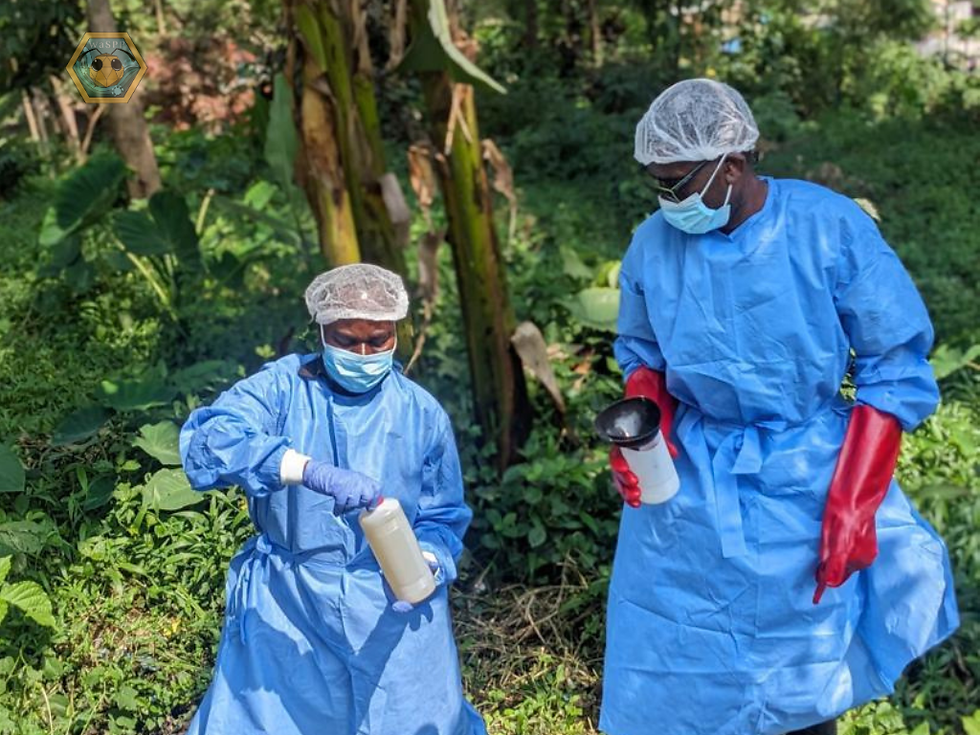
Through the WaSPP pilot in Malaysia, wastewater sampling is being combined with PCR detection and genomic sequencing to identify viruses within the Orthomyxoviridae family and monitor how they change over time. This approach could capture signals that may be missed by clinical surveillance alone, particularly when infections are mild, asymptomatic, or do not lead people to seek medical care.

Prof. Chan Yoke Fun, Virology Professor at Universiti Malaya and Lead of WaSPP in Malaysia, sees wastewater playing a growing role, particularly in the tropics:
“In tropical countries like Malaysia, where influenza seasonality is unpredictable, clinical surveillance can be costly and resource-intensive. Wastewater surveillance offers a more economical way to monitor viruses across larger populations, complementing clinical surveillance”.
Existing wastewater infrastructure developed during the COVID-19 pandemic could provide a foundation for this work. By combining this infrastructure with multiplex testing, researchers could look for several respiratory viruses in the same samples, including influenza and emerging zoonotic strains such as H5N1.
As Prof. Chan Yoke Fun explains:
"Leveraging existing SARS-CoV-2 surveillance infrastructure and using multiplex testing could help us detect multiple respiratory viruses, including influenza and emerging zoonotic strains such as H5N1.”
Integrating wastewater surveillance with Malaysia’s existing clinical systems through the WaSPP pilot could provide a broader and potentially earlier view of influenza circulation. In turn, this could help researchers and public health authorities monitor viruses that move between humans, animals and the environment and identify emerging threats before they become widespread.
About the Author
Aina Nadira Mohd Fadzli is a PhD candidate at Universiti Malaya, Malaysia, focusing on respiratory virus surveillance and epidemiological modelling under the WaSPP project.


Comments